Bluesky Icon Instagram Icon

Specialized Groups

The specialist groups of the German Ornithological Society (DOG) are dedicated to specific ornithological topics and promote networking among members. They offer an open platform for exchange, collaborative research, events, and publications. As visible working groups, they shape the profile of the DOG and serve as an important national and international showcase for ornithological research.
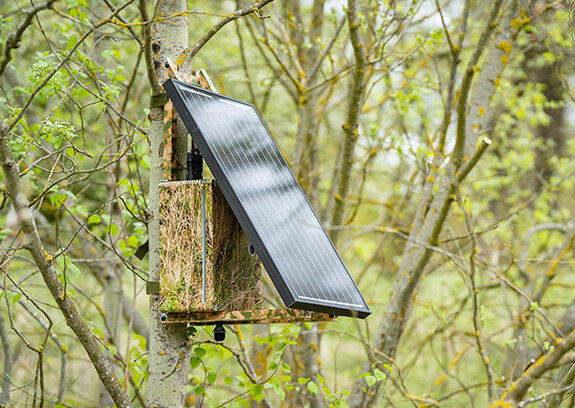
© Jan Engler

Special interest group
acoustic monitoring

Passive acoustic monitoring of birds is increasingly being used in practice. The new DOG special interest group Acoustic Monitoring offers a forum for professional and technical exchange. Anyone who would like to participate is warmly invited.

© H. Knuewer

Specialist Group for Birds of Agricultural Landscapes

The specialist group serves to exchange scientific findings on population trends of birds of agricultural landscapes and to investigate the causes of their decline. In addition, conservation concepts and their effectiveness are examined and discussed.

© Ulich Schmid

Neozoa Specialist Group

The specialist group is a network of professionals who study neozoa scientifically. The focus is on autecological as well as synecological issues, regional population developments, management measures, and the exchange of information about publications and symposia.

© Silke Sorge

Birds in Cities and Settlements Working Group

The working group focuses on issues surrounding the lives of birds in urban habitats. The associated advantages and disadvantages for birds, as well as their relationship with humans, are key areas of focus.

© Thorsten Krüger

Woodpecker Specialist Group

In the Woodpecker Specialist Group, both experts and ornithologists of all ages who are interested have come together. It serves as a platform for exchanging observations, research results, and practical experience in habitat and species conservation.  

© Sylke Frahnert

Ornithological Collections Working Group

The working group forms a network for exchanging information on general topics and current events relating to ornithological collections, and supports interested parties in accessing the collections. 

© Helmut Kruckenberg

Goose Ecology Working Group

Today, the working group deals with all questions relating to the ecology, behavior, and conservation of geese, swans, and sometimes ducks as well.

© Thorsten Krüger

Bee-eater Specialist Group

Whether researchers or passionate amateur birdwatchers, what unites them in the specialist group is their fascination with the bee-eater. Together, they document its spread and breeding activity in Germany and neighboring countries, thereby providing valuable insights into the dynamics of a species that benefits from climate change.

©Vogel Heiko Schmaljohann, BG KI generiert

DNA Analysis Working Group

The DNA working group focuses on the use of molecular genetic methods to investigate ecological, physiological, and evolutionary questions in birds. It promotes access to modern analyses and the exchange between research and practice.

FAQ Specialist Groups

Who can found a specialist group?

Each DOG member may submit a written request to the Executive Board for the establishment of a group. 

The application must include:

  • Name of the specialist group
  • Focus area and justification of the need
  • Objectives and planned activities
  • Contact person(s) (spokesperson)
  • List of at least ten interested individuals, including five DOG members

Who leads the specialist groups?

Each specialist group has at least one spokesperson and one deputy spokesperson (both DOG members). They coordinate the activities and serve as contacts for the Executive Board.

Who is responsible on the board?

The 2nd Vice President accompanies the specialist groups, supports them as needed, and shares responsibility for their publications.

Is there financial support?

Yes. Each specialist group currently receives an annual grant of €1,000 (2025). This can be used for specialist conferences, excursions, or publications. The grant must be applied for through the treasurer and may be awarded retroactively for up to two years. Additional funds may be requested for special projects (e.g., international conferences); the board decides on these on a case-by-case basis.

Can specialized groups operate their own websites?

Yes. In addition to the overview on the DOG website, dedicated pages can be created. The specialist groups are responsible for the content and its up-to-dateness. The DOG guidelines must be observed—in particular, affiliation with the DOG should be clearly visible through the logo and the naming of the organization. The websites must also be coordinated regularly with the Second Vice President.

How can a specialist group be dissolved?

A specialist group may dissolve itself at any time (written notification to the Executive Board). The Executive Board may also decide on dissolution if no activities take place for three years or if good scientific practice is violated (cf. DFG Guidelines).